

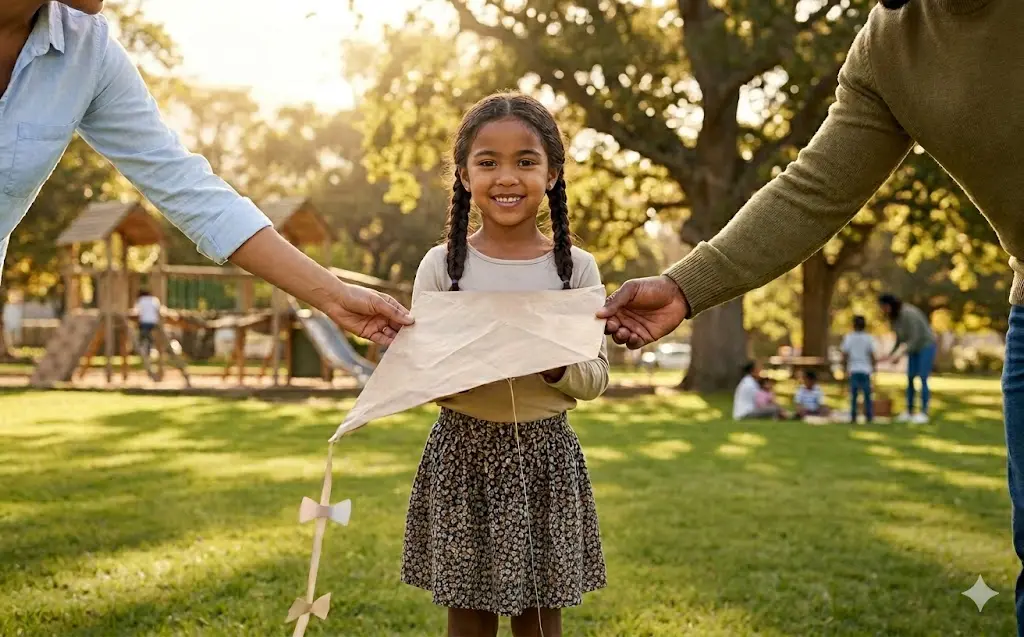
Divorce is never easy — but for parents, the hardest part often isn’t ending the marriage. It’s figuring out how to keep being good parents together, even when you’re no longer a couple. Children thrive when they feel loved, secure, and supported by both parents. That’s why putting kids first in your co-parenting relationship isn’t just a nice idea — it’s one of the most important things you can do for their long-term well-being.
At Calvary Counseling Center, we work with families navigating this exact challenge through our H.O.P.E. (Healthy & Objective Parenting Education) program. Whether your divorce is recent or years in the past, these five principles can help you build a healthier co-parenting dynamic — one that truly centers your children.
1. Separate Your Parenting Relationship From Your Personal Feelings
One of the most difficult — and most necessary — steps in healthy co-parenting after divorce is learning to separate your role as a parent from your feelings about your ex-partner. Resentment, hurt, and anger are completely understandable. But when those emotions spill into parenting decisions, your children pay the price.
Children are remarkably perceptive. They pick up on tension, hostility, and negative comments — even when adults think they’re being subtle. Research consistently shows that exposure to ongoing parental conflict is one of the strongest predictors of emotional and behavioral problems in children of divorce.
What this looks like in practice:
- Avoid speaking negatively about your co-parent in front of your children
- Communicate about parenting matters calmly and respectfully, even when it feels difficult
- Seek professional support — therapy or a parent education class — to process your own emotions in a healthy setting
The goal isn’t to pretend the divorce didn’t happen. It’s to ensure your children never feel caught in the middle of it.
2. Commit to Consistent Communication
Effective co-parenting runs on clear, consistent communication — and that doesn’t mean you need to be best friends with your ex. It means finding a communication style that works for both of you and keeps your children’s needs at the center.
Many co-parents find it helpful to use structured methods like shared parenting apps (such as OurFamilyWizard or TalkingParents), email threads dedicated to parenting matters, or brief weekly check-ins about schedules and upcoming events. The medium matters less than the consistency.
Key communication principles for co-parents:
- Keep conversations focused on the children — not past grievances
- Respond to parenting-related messages in a timely manner
- Approach disagreements with a problem-solving mindset rather than a combative one
- Use neutral, business-like language when emotions are running high
When communication breaks down, children often feel the effects most acutely — missed activities, scheduling conflicts, and confusion about where they belong. Strong communication protects them from those stressors.
3. Create Stability Through Consistent Rules and Routines
Children, especially those adjusting to life between two homes, desperately need consistency. When rules, routines, and expectations are wildly different between households, it creates confusion and anxiety — and can sometimes be exploited by kids who learn to play one parent against the other.
You and your co-parent don’t need to run identical households. But agreeing on the big stuff — bedtimes, homework expectations, screen time limits, discipline approaches — gives your children a stable foundation no matter which home they’re in.
Areas worth aligning on:
- Bedtime and morning routines, especially on school nights
- Academic expectations and homework supervision
- Consequences for misbehavior and how they’re handled
- Nutrition and medical care decisions
Consistency communicates security. When children know what to expect, they spend less energy worrying and more energy just being kids.
4. Respect Each Parent’s Relationship With the Children
One of the greatest gifts you can give your children after divorce is the freedom to love both of their parents without guilt. Children should never feel like they have to choose sides, report back on the other household, or hide their affection for one parent to protect the other.
This principle — sometimes called “parallel parenting” when conflict is high — focuses on supporting your children’s bond with your co-parent, even when your own relationship with that person is strained.
Practical ways to honor this principle:
- Encourage your children to call or video chat with the other parent during your parenting time
- Acknowledge and affirm positive qualities your co-parent has as a mother or father
- Never use children as messengers or intelligence gatherers between households
- Celebrate the other parent on birthdays, holidays, and Parent’s Day without prompting your children to feel conflicted
Children who feel free to love both parents tend to have stronger emotional resilience and healthier relationships later in life.
5. Prioritize Your Children’s Emotional Needs Over Personal Grievances
Healthy co-parenting after divorce ultimately comes down to one guiding question: What does my child need right now? When that question becomes your north star, many of the small battles that feel urgent suddenly lose their importance.
Your children need to feel emotionally safe. They need to know that the adults in their lives — both of them — are stable, loving, and reliable. They need to hear that the divorce was not their fault, that both parents still love them deeply, and that their family, while different now, is still intact in all the ways that matter most.
Signs your children may need extra emotional support:
- Increased irritability, sadness, or withdrawal
- Regression to younger behaviors (bedwetting, clinginess)
- Trouble concentrating at school
- Expressing loyalty conflicts or refusing to talk about one household
If you notice these signs, consider connecting your child with a counselor who specializes in family transitions. Early support can prevent longer-term struggles.
Taking the Next Step: H.O.P.E. Parent Education at Calvary Counseling Center
If you’re going through a separation or divorce in Virginia, Calvary Counseling Center’s H.O.P.E. (Healthy & Objective Parenting Education) class can help. This state-approved program is designed to equip parents with practical tools and child-focused strategies for navigating co-parenting after divorce — in a supportive, non-judgmental environment.
Led by trained co-instructors who meet the guidelines established by the Supreme Court of Virginia, H.O.P.E. covers topics including:
- The impact of separation on children of all ages
- Parallel parenting and co-parenting communication strategies
- The rights and developmental needs of your children
Putting your kids first isn’t always easy — but it’s always worth it. We’re here to help you do exactly that.
Register Online for the H.O.P.E. Parent Education Class
Questions? Call us at (703) 530-9800 or email info@calvarycounseling.com. Our office is located at 9300 Forest Point Circle, Suite 154, Manassas, VA 20110.